
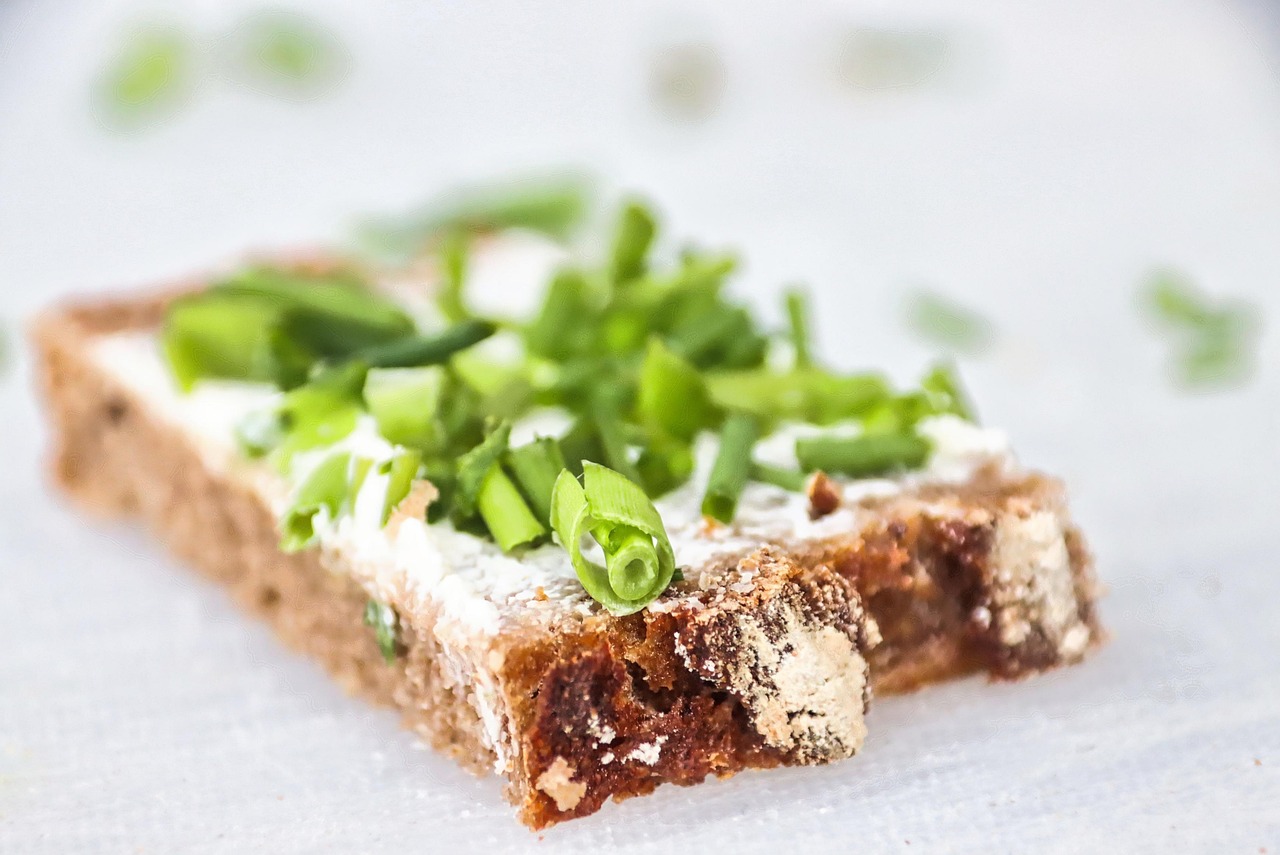
My aunt Karen has kept a pot of chives on her kitchen windowsill for as long as I can remember. She didn’t plan a herb garden. She bought one pot, put it near the sink where she’d remember to water it, and it never stopped producing. She snips from it most days — into eggs, over soup, onto baked potatoes, into anything that needs a quiet finishing note. She has never bought a second pot. The original just keeps coming back.
That’s the most accurate summary of chives as a kitchen herb: low maintenance, broadly useful, never intrusive. Here’s what’s actually worth knowing about them.
Common Chives vs. Garlic Chives: Two Different Herbs
Common chives (Allium schoenoprasum) are the thin, hollow, grass-like stems most people recognize. The flavor is mild onion — present but gentle, with none of the harshness that raw onion brings to a dish. They’re used almost exclusively as a finishing herb: added raw at the end of cooking or scattered over a dish just before serving. Heat drives off the volatile sulfur compounds that carry their flavor, so cooking them serves little purpose.
Garlic chives, also called Chinese chives (Allium tuberosum), are a different species entirely. The leaves are flat rather than hollow, the flavor is stronger, and there’s a clear garlic note underneath the onion. They hold up to heat in a way common chives don’t, which is why they appear in cooked dishes — jiaozi (dumpling) fillings, Korean pajeon (savory pancakes), stir-fried noodles, fried rice — as an ingredient rather than a garnish. In East and Southeast Asian kitchens, garlic chives are often treated as a vegetable in their own right, not just an herb.
The practical rule: common chives where you want subtlety and freshness; garlic chives where you need the herb to pull actual weight in a cooked dish. Using them interchangeably is the most common mistake people make with this family.
The Chives Flower: More Useful Than It Looks
Common chives produce small, globe-shaped purple flower heads in late spring to early summer. They’re fully edible and carry a mild onion flavor slightly more delicate than the leaves. Unlike most edible flowers, which are grown for color and contribute almost nothing to flavor, the chives flower is genuinely worth eating. Separate the individual florets from the head and scatter them over salads, soft cheeses, cold soups, or egg dishes. They work.
They also infuse well into vinegar. Karen discovered this by leaving a jar of flower heads in white wine vinegar on the windowsill and forgetting about it for a month. What came back was pale pink, faintly onion-flavored vinegar that she now uses in salad dressings through summer. She makes it on purpose every year. Two weeks is enough; a month is not too long. The flavor develops gradually and doesn’t turn harsh.
One thing to know: once chives flower, leaf production slows. If you want to keep harvesting leaves, cut flower stems before they open. If you want flowers, let them bloom but pick them before they set seed — removing spent flowers before seeding returns energy to the plant and often triggers a second flush of growth later in the season.
Organic Dried Chives: Where They Work and Where They Don’t
Dried chives are one of the few dried herbs that retain real flavor rather than turning to dust in the jar. The sulfur compounds that carry their character are more stable under drying than the volatile aromatics in basil or cilantro, which essentially disappear in the process. Organic dried chives won’t replace fresh for cold applications or garnishing — the color and texture are gone — but the flavor carries through heat better than most dried herbs manage.
Where organic dried chives earn their place:
- Bread doughs and savory scones where fresh herbs would add unwanted moisture
- Spice blends and dry rubs where herb flavor without liquid is the goal
- Soups and stews that simmer long enough to rehydrate the dried leaf
- Cream cheese or sour cream blends refrigerated overnight — the dried leaf rehydrates in the dairy and distributes more evenly than fresh
- Winter cooking when fresh chives are expensive, unavailable, or both
When buying, check the color. Organic dried chives should be pale to medium green. Grey-green or yellowed leaf is old — the sulfur compounds have degraded and there’s little flavor left. A jar that has been in the cupboard for two years is not helping any dish, regardless of what the best-before date says.
Using Chives in the Kitchen
Common chives work across almost any savory context as a finishing herb: scrambled eggs, baked potatoes, cream soups, cold pasta salads, fish, soft cheeses, anything where you want freshness and a mild onion note at the end. They’re one of the few herbs that genuinely add flavor rather than just color when used as a garnish — a distinction that matters when you’re deciding whether the effort of snipping them is worth it. It is.
Garlic chives take a different role. Treat them as a vegetable rather than a herb: stir-fried with pork or tofu, folded into dumpling fillings, mixed through fried rice, or blanched and dressed simply with sesame oil and soy as a side dish. The garlic character is assertive enough to shape a dish rather than just finish it.
One less obvious use: chives in marinades. Raw allium flavor softens considerably when left to steep in oil, acid, or both — the harshness that raw garlic and onion can leave in a marinade doesn’t appear in the same way with chives. In a marinade for duck or pork belly, common chives combined with star anise (Illicium verum) sit at opposite ends of the flavor range in a way that works: the star anise brings a deep, warm, faintly sweet backbone, the chives contribute fresh allium brightness, and neither overwhelms the other. It’s a combination that appears in various forms in Chinese-influenced cooking and makes more intuitive sense once you taste it than it sounds on paper.
Karen’s windowsill pot got divided twice when it became too large. She now has three pots across the kitchen and one on the back step. She started with one plant she never planned to maintain. The chives handled the expansion themselves.