My neighbor Petra is Polish, and dill herb shows up in everything she cooks — soups, salads, fish, the sour cream she puts on more things than seems reasonable. There’s always a handful of fresh fronds somewhere in the process. When I asked her once why she uses so much of it, she looked at me the way you’d look at someone who’d asked why windows exist. “Because food tastes better,” she said, and went back to chopping.
She’s right, and it’s easy to miss this if your main experience with dill is the flavor in a jar of pickles. Used fresh and used at the right moment, it’s one of the most versatile herbs in the kitchen — bright, faintly grassy, with a clean finish that genuinely lifts dishes rather than just adding flavor to them.
Here’s what’s worth knowing: the different forms, where they’re used, what the wellness history actually says, and how to cook with it without the common mistakes.
The Two Parts of Dill That Behave Completely Differently
Dill (Anethum graveolens) is an annual herb in the celery family, originally from the eastern Mediterranean. The whole above-ground plant is edible, but the two parts that actually matter in cooking — the leaves and the seeds — taste different, behave differently under heat, and belong in different parts of a recipe.
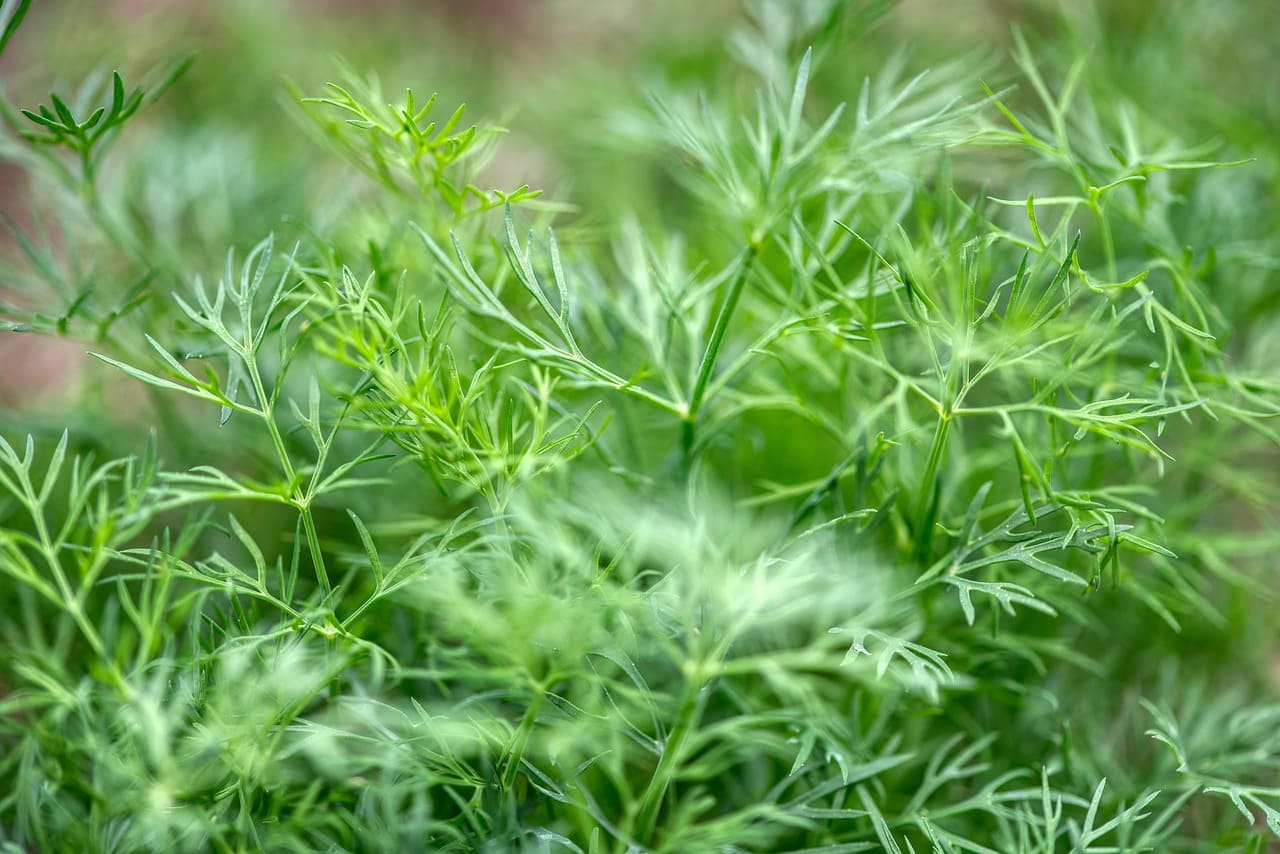
Dill weed is the feathery green leaf — delicate, fresh, and quick to lose its character when cooked. Fresh dill and dill weed are essentially the same thing: one is the plant off the stem, the other is the dried shelf version. Both have the same bright, slightly anise-forward flavor that defines the herb. Both need to go in at the end of cooking, not the beginning.
Dill seed is the dried fruit of the plant once it bolts. Bolder, earthier, and warmer than the leaf, with a faint citrus note underneath. It holds up to heat and long cooking in a way fresh dill never will, which is why it goes into bread dough, pickle brine, and simmered stews. The deep, rounded tang in a classic dill pickle comes from the seed. The brightness on top comes from the weed. They’re doing different jobs in the same jar.
The mistake most home cooks make is treating them as interchangeable. They’re not. Getting this right — seed for depth and heat, weed for freshness and finish — is the difference between dill that reads as flat or slightly bitter and dill that actually does what it’s supposed to.
A Herb With Five Thousand Years Behind It
Dill herb has been in cultivation for at least five thousand years. Egyptian medical papyri from around 3000 BCE reference it as both a seasoning and a remedy. Greek and Roman physicians prescribed dill seed specifically for digestive complaints — bloating, stomach cramps, hiccups — and that application persisted through medieval herbalism across Europe and the Middle East without much variation.
In medieval Europe, strongly aromatic herbs often picked up protective reputations — dill was hung over doorways against bad luck, which is the kind of attribution that happens when people observe something works without understanding why. The more likely explanation: its volatile oils have genuine antimicrobial properties that made it genuinely useful for food preservation, and the association with protection followed from that observed effectiveness.
Today dill is most at home in Scandinavian, Eastern European, and Middle Eastern cuisines, but it keeps finding new contexts. The chamoy dill pickle — a recent fusion coating dill pickles in Mexico’s chili-tamarind-apricot chamoy sauce — is a good illustration of how far a simple herb can travel when people are willing to experiment with it. The combination sounds wrong. It isn’t.
How to Actually Cook With Dill
Petra’s instinct — use it generously, add it late — is the right one. Fresh dill’s volatile aromatics evaporate under sustained heat, so fronds that go in at the start of a 45-minute braise will taste like faint, slightly bitter nothing by the time the dish is finished. The same fronds added at the end, or scattered over the plate right before serving, give you the full flavor. This single timing adjustment changes every dish.
By form, here’s where each one works best:
- Fresh dill / dill weed: stir into Greek yogurt with garlic and lemon for a quick tzatziki; scatter over salmon, smoked fish, or egg dishes at the finish; fold into potato salad or cucumber salads; use as a garnish on borscht, cold soups, or roasted vegetables coming out of the oven
- Dill seed: add whole or lightly crushed to pickle brine; stir into bread dough before baking; include in soups and stews from the start of cooking; use in spice rubs for fish or lamb where you want earthiness rather than brightness
- Chamoy dill pickle: worth trying at least once — coat a whole dill pickle generously in chamoy sauce, dust with chili-lime seasoning, and eat immediately; the sauce’s sweet-sour-spicy complexity plays against the brine in a way that somehow resolves cleanly despite what the ingredient list suggests
Storage: fresh dill wilts within a few days. Wrap unwashed fronds in a damp paper towel, keep in a bag in the fridge, and use within three to four days. For longer storage, freeze whole fronds — they lose texture but hold flavor well for cooked applications.
Dill Herb in Folk Medicine and Wellness
Dill’s medicinal history is less famous than its culinary one but it’s older and better documented than most people realize. Dill seed tea has been used continuously for at least two thousand years as a digestive aid — specifically for bloating, gas, and stomach cramping. The compounds responsible are carvone and limonene, volatile oils in the seeds with demonstrated antispasmodic and carminative properties in laboratory studies. The traditional use isn’t folk superstition. There’s a mechanism.
To make dill seed tea, steep a teaspoon of lightly crushed seeds in hot water for 10 minutes. The flavor is mild and faintly warm — easier to drink than most medicinal herb teas without any sweetening needed. It sits in the same category as medium mullein tea (Verbascum thapsus, used traditionally for respiratory soothing) — both are herbs with long practical histories, a reasonable but not definitive evidence base, and genuine everyday usefulness that doesn’t require overstating what they do. Drink them because they work for what they’ve always been used for, not because they cure anything clinical.
The antimicrobial angle is also worth noting: dill’s role in pickling and food preservation wasn’t just about flavor. Its volatile oils actively inhibited bacterial growth in brined vegetables before refrigeration existed. That’s a wellness application that worked for five thousand years without anyone needing to name the compounds involved.
Growing Dill at Home
Dill is genuinely easy to grow, which is part of why it’s been cultivated for so long. Full sun, well-drained soil, and minimal intervention. It bolts quickly in heat, transitioning from leafy plant to seed production, which is useful rather than a problem once you understand it: harvest the weed before it bolts, harvest the seeds after.
Sow directly into the ground or a container — dill has a taproot and doesn’t transplant well. Stagger your sowings every three weeks through spring and early summer so you have a continuous supply of fresh fronds rather than one large flush that all bolts at once and leaves you with nothing.
Petra grows hers in a pot on the balcony and cuts from it most of the year. The running cost is a few packets of seeds. The return is having fresh dill available whenever a dish calls for it, which, if Petra is any guide, is most days. That’s probably the most straightforward argument for growing it yourself: the herb costs almost nothing to maintain and has an immediate, noticeable effect on the food you cook with it.